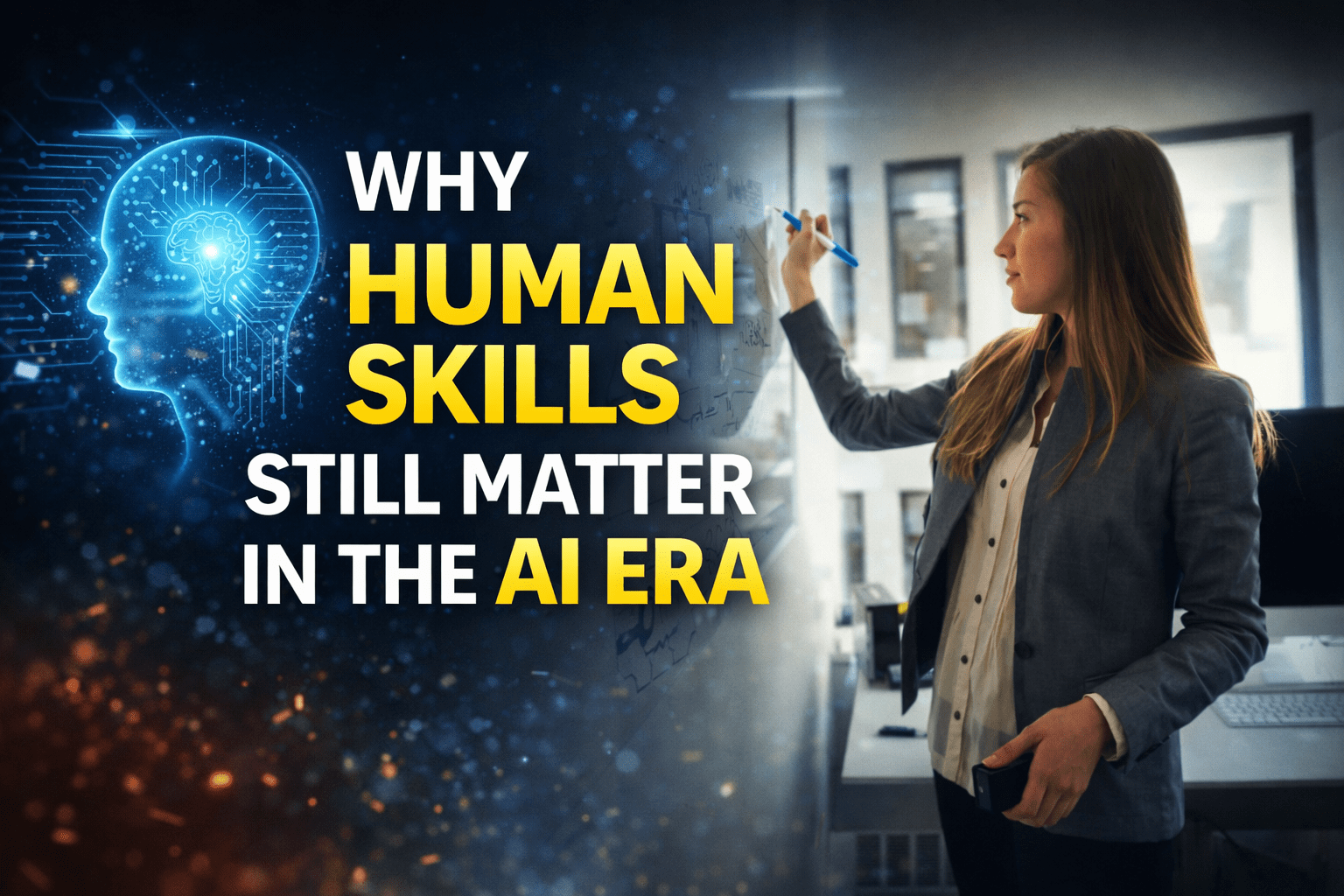
Artificial Intelligence is transforming the world at an unprecedented pace. From automated customer support to self-driving cars and content generation, AI systems are becoming faster, smarter, and more efficient every day. This rapid evolution has sparked an important global discussion about the importance of human skills in the AI era.
Many people fear that artificial intelligence will replace human jobs completely. However, the reality is more balanced. While AI is powerful, it still lacks many qualities that define human intelligence. This article explores why human skills remain essential, how they complement AI, and why the future belongs to those who strengthen uniquely human abilities.
Understanding the AI Era
The AI era refers to a time when intelligent machines perform tasks that previously required human intelligence. These tasks include data analysis, pattern recognition, automation, and decision-making based on algorithms.
AI excels at speed, accuracy, and processing massive amounts of information. However, intelligence alone does not define success in real-world environments. This is where the importance of human skills in the AI era becomes clear.
Human judgment, creativity, ethics, and emotional understanding cannot be fully replicated by machines.
What Are Human Skills?
Human skills are abilities rooted in human nature rather than computation. These skills involve emotions, social understanding, creativity, and moral reasoning.
Key human skills include:
- Critical thinking
- Emotional intelligence
- Creativity and innovation
- Communication skills
- Ethical decision-making
- Adaptability
- Leadership and teamwork
These skills allow humans to function effectively in complex, uncertain, and emotional situations where AI struggles.
Human Skills vs Artificial Intelligence
The debate of human skills vs artificial intelligence is often misunderstood. AI is not designed to replace humans completely but to assist them.
AI can analyze data, but it cannot understand human emotions.
AI can predict patterns, but it cannot imagine new possibilities.
AI can follow rules, but it cannot define values.
This fundamental difference highlights why human skills remain irreplaceable.
The Importance of Human Skills in the AI Era
1. Emotional Intelligence Cannot Be Automated
Emotional intelligence allows humans to understand feelings, manage emotions, and build meaningful relationships. AI systems can simulate empathy but do not truly feel emotions.
In workplaces, emotional intelligence helps in leadership, conflict resolution, teamwork, and customer relationships. These areas rely heavily on human understanding rather than data alone.
This makes emotional intelligence a core reason behind the importance of human skills in the AI era.
2. Creativity Drives Innovation
AI can generate content, art, or music based on existing patterns. However, true creativity involves original thought, imagination, and emotional depth.
Humans innovate by questioning norms, combining unrelated ideas, and taking risks. Creativity fuels entrepreneurship, problem-solving, and cultural growth.
Without human creativity, progress would stagnate despite advanced technology.
3. Ethical Judgment Requires Human Values
AI systems operate based on algorithms created by humans. They do not understand morality, fairness, or responsibility.
Ethical decisions require context, empathy, and value-based reasoning. Humans must guide AI usage to ensure fairness, privacy, and accountability.
This ethical responsibility emphasizes the importance of human skills in the AI era, especially in governance and technology development.
4. Critical Thinking in Complex Situations
AI performs well in structured environments but struggles with ambiguity. Humans excel at critical thinking, especially when data is incomplete or situations change unexpectedly.
Critical thinking allows humans to question results, identify risks, and make informed decisions beyond algorithmic predictions.
In fields like healthcare, law, and education, critical thinking remains essential.
5. Communication and Human Connection
Effective communication involves tone, body language, cultural understanding, and emotional context. AI communication lacks depth and authenticity.
Human communication builds trust, motivates teams, and resolves misunderstandings. In leadership roles, communication skills determine success more than technical knowledge.
This is another strong reason why human intelligence in the artificial intelligence age remains vital.
AI as a Tool, Not a Replacement
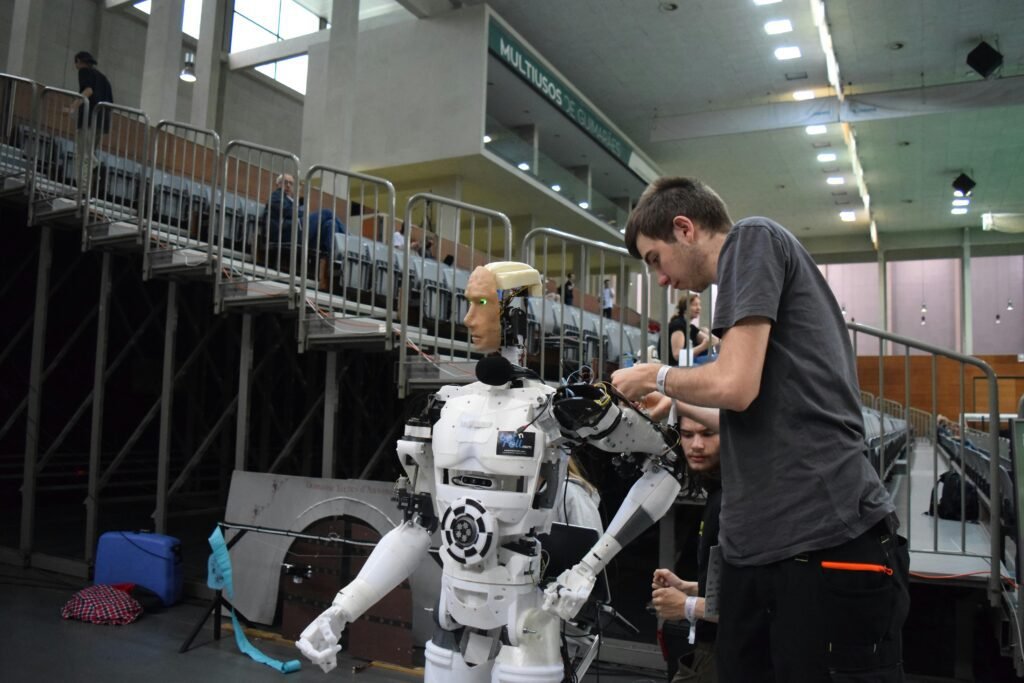
AI should be viewed as a tool that enhances human potential rather than replaces it. When humans and AI work together, productivity increases.
Examples include:
- Doctors using AI for diagnosis support
- Writers using AI for research assistance
- Engineers using AI for simulation and optimization
In each case, human judgment remains the final authority.
Future Skills in the AI Era
The future belongs to individuals who combine technical understanding with human skills.
Important future skills include:
- Adaptability to change
- Lifelong learning
- Emotional intelligence
- Creative problem-solving
- Ethical awareness
These skills allow humans to stay relevant and valuable in an AI-driven world.
Why Human Skills Matter More Than Technical Skills Alone
Technical skills can become outdated quickly as technology evolves. Human skills, however, remain timeless.
A person who can learn, adapt, communicate, and think critically will always find opportunities, regardless of technological changes.
This reinforces why human skills matter in the AI era more than ever before.
Impact on Education and Learning
Education systems must shift focus from rote learning to skill development. Teaching creativity, emotional intelligence, and critical thinking prepares students for the future.
AI can deliver information, but humans must interpret, evaluate, and apply knowledge meaningfully.
Human Skills in Leadership Roles
Leadership requires vision, empathy, and trust. AI cannot inspire people or understand human motivation.
Strong leaders rely on human skills to guide teams, manage change, and make ethical decisions.
As AI automates routine tasks, leadership roles will increasingly depend on human intelligence.
The Role of Adaptability in the AI Age
Adaptability is the ability to adjust to new situations. In the AI era, change is constant.
Humans who embrace learning and flexibility will thrive. AI lacks self-awareness and cannot adapt without human intervention.
This adaptability strengthens the importance of human skills in the AI era.
AI Limitations That Highlight Human Strengths
Despite its power, AI has limitations:
- Lack of emotional understanding
- Dependence on data quality
- Inability to understand context fully
- No moral consciousness
These limitations prove that human intelligence remains central to meaningful progress.
Building Human Skills for the Future
Developing human skills requires conscious effort:
- Practice empathy in daily interactions
- Improve communication skills
- Encourage creative thinking
- Reflect on ethical choices
- Stay curious and open-minded
These habits strengthen human value in an AI-driven society.
Importance of Human Skills in the AI Era: Why Human Intelligence Still Matters More Than Ever
The Balanced Future of Humans and AI
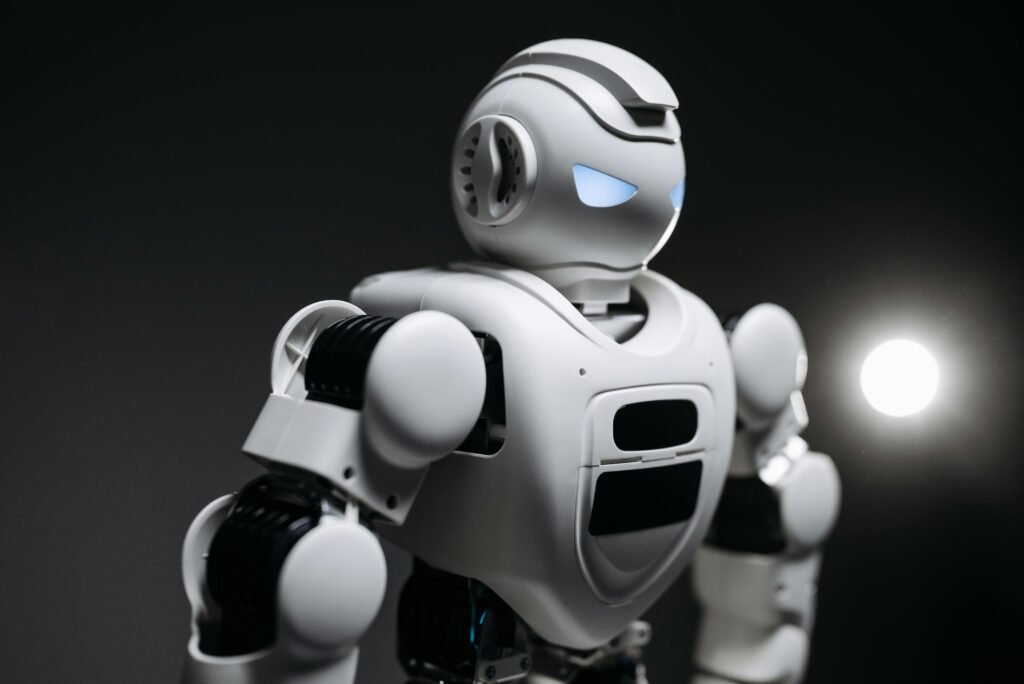
The future is not humans versus AI. It is humans with AI.
Technology will continue to evolve, but human skills will guide how it is used. This balance ensures progress without losing humanity.
How Human Skills Complement Artificial Intelligence
Artificial intelligence is powerful, but it works best when combined with human intelligence. AI can process data, but humans provide judgment, values, and meaning. The importance of human skills in the AI era becomes clear when we see how both can work together instead of competing.
Human skills help guide AI toward ethical, practical, and creative outcomes. Without human input, AI systems risk becoming disconnected from real human needs.
Emotional Intelligence in the AI Era
One of the most valuable human skills today is emotional intelligence. AI cannot genuinely understand emotions, empathy, or human feelings. It can analyze sentiment, but it does not feel.
Emotional intelligence helps leaders, teachers, healthcare workers, and managers connect with people. In the AI era, professionals who can understand emotions, resolve conflicts, and build trust will always be in demand.
This clearly shows the importance of human skills in the AI era, especially in people-focused roles.
Communication Skills Will Never Be Replaced
AI can generate text, but real communication goes beyond words. Humans understand tone, context, and intention. Strong communication skills help people explain ideas, persuade others, and collaborate effectively.
In workplaces where AI tools are used daily, professionals who can communicate clearly with both humans and AI systems become extremely valuable. Clear communication ensures that technology is used correctly and responsibly.
Leadership and Decision-Making Skills
AI provides data-driven insights, but humans make final decisions. Leadership requires vision, responsibility, and moral judgment—qualities that machines do not possess.
The importance of human skills in the AI era is most visible in leadership roles, where decisions affect people’s lives, careers, and well-being. Leaders must balance logic with empathy, something AI cannot do independently.
Ethical Thinking and Moral Responsibility
AI systems operate based on the data and rules given to them. They do not understand ethics unless humans define them. Ethical thinking is a core human skill that ensures AI is used fairly and safely.
From data privacy to bias prevention, humans must take responsibility for how AI impacts society. Ethical judgment is one of the strongest reasons why human skills remain essential in the AI era.
Creativity: A Uniquely Human Strength
AI can generate content, but it does not truly create. Human creativity is driven by emotion, experience, imagination, and cultural understanding.
Creative skills such as storytelling, innovation, design thinking, and artistic expression remain deeply human. These skills allow people to use AI as a tool rather than a replacement.
This highlights the growing importance of human skills in the AI era, especially in creative industries.
Critical Thinking and Problem Solving
AI provides answers based on patterns, but humans ask the right questions. Critical thinking allows people to analyze situations, challenge assumptions, and solve complex problems.
In the AI era, those who blindly accept AI outputs risk making poor decisions. Human critical thinking ensures that AI-generated insights are evaluated properly before being applied.
Adaptability and Lifelong Learning
Technology evolves rapidly, and adaptability is a key human skill. People who are willing to learn, unlearn, and relearn can thrive alongside AI.
The importance of human skills in the AI era includes the ability to adapt to new tools, industries, and ways of working. Flexibility and curiosity help individuals stay relevant in changing environments.
Human Skills in Education and Training
AI can assist in education, but teachers and mentors provide guidance, inspiration, and motivation. Human educators understand individual learning styles and emotional needs.
Students benefit most when technology supports, rather than replaces, human interaction. This balance reinforces the role of human skills in shaping future generations.
Collaboration Between Humans and AI
The future is not humans versus AI—it is humans with AI. Successful collaboration requires human skills such as teamwork, coordination, and strategic thinking.
People who understand how to work alongside AI systems will outperform those who resist technology. Collaboration strengthens productivity while preserving human control.
Why Employers Value Human Skills More Than Ever
As AI handles technical tasks, employers increasingly value soft skills. Skills like empathy, leadership, communication, and creativity differentiate humans from machines.
The importance of human skills in the AI era is reflected in hiring trends, where companies seek balanced professionals who combine technical knowledge with human understanding.

Preparing for the Future of Work
To succeed in the AI era, individuals must focus on developing human skills alongside technical abilities. This includes improving emotional intelligence, communication, ethical reasoning, and creativity.
Those who invest in these skills will remain relevant, respected, and valuable regardless of technological changes.
Final Reflection on the Importance of Human Skills in the AI Era
Artificial intelligence is transforming the world, but it does not replace humanity. Machines enhance efficiency, while humans provide meaning, values, and direction.
The importance of human skills in the AI era lies in our ability to think critically, feel deeply, act ethically, and create purpose. Technology may evolve, but human qualities remain timeless.
Conclusion
AI is a powerful tool, but it is not a substitute for human intelligence. The future belongs to those who can combine technological knowledge with strong human skills.
By focusing on empathy, creativity, leadership, and ethical thinking, individuals can thrive in an AI-driven world. Human skills are not becoming obsolete—they are becoming more important than ever.