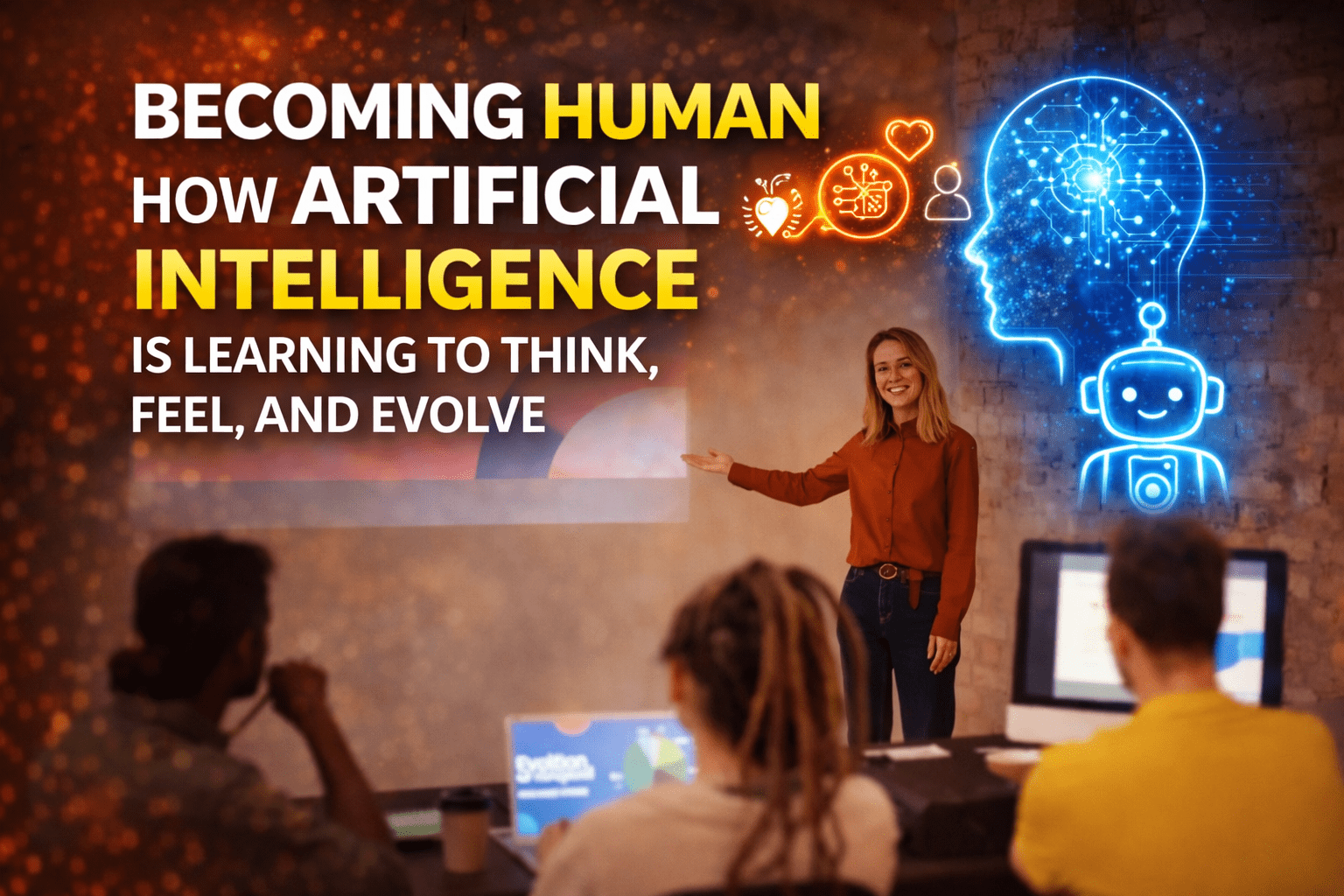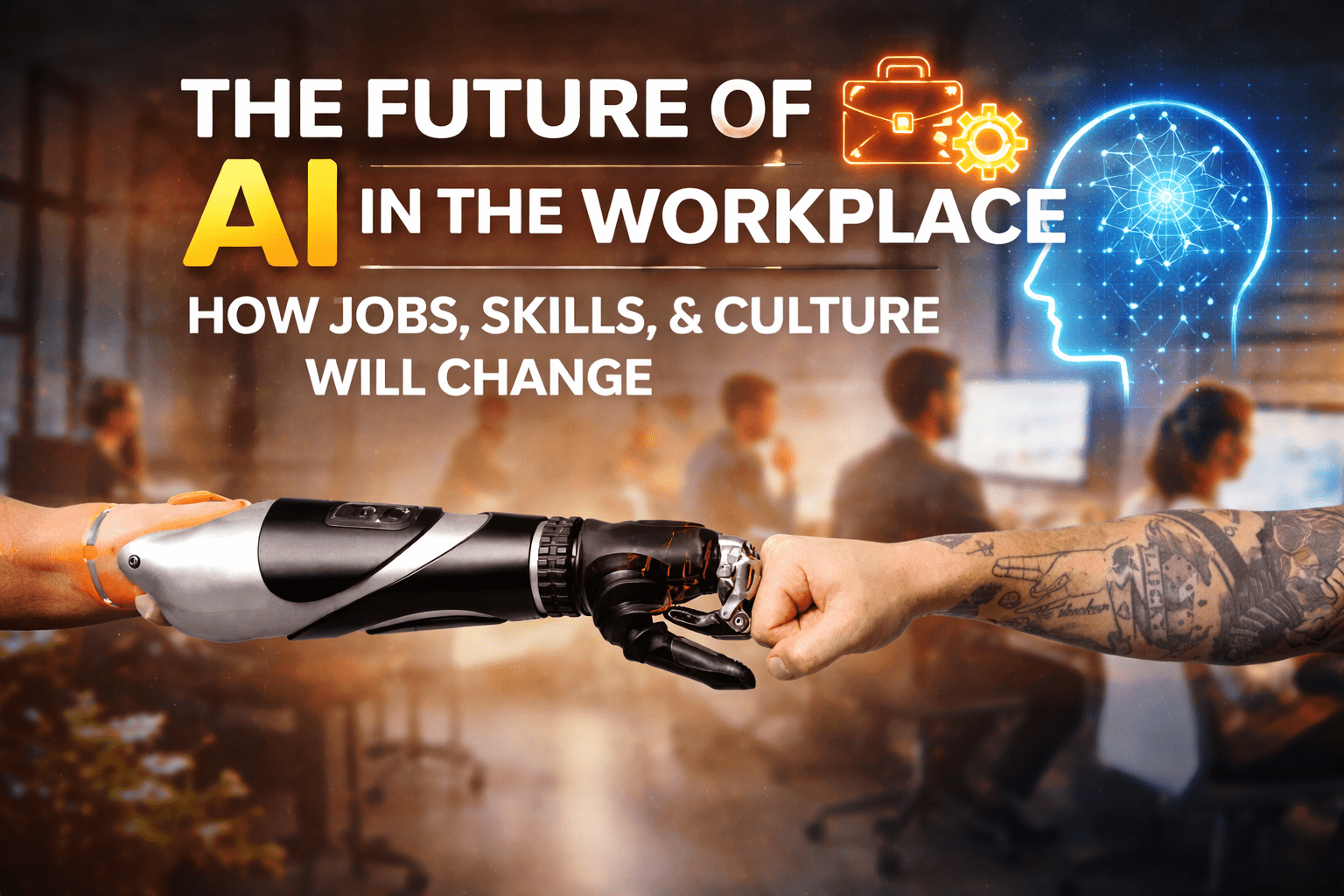
The Future of Artificial Intelligence in the Workplace
Artificial intelligence is no longer a distant concept or a futuristic idea. It is already shaping how people work, communicate, and make decisions every day. From automating routine tasks to helping teams analyze complex data, artificial intelligence in the workplace is changing the meaning of work itself.
Understanding the future of artificial intelligence in the workplace is essential for anyone who wants to stay relevant in a rapidly evolving job environment. This shift is not just about technology—it is about people, skills, productivity, and workplace culture.
How Artificial Intelligence Is Already Transforming Workplaces
Artificial intelligence in the workplace is already embedded in many everyday processes. It helps organizations improve efficiency, reduce errors, and make smarter decisions.
Some current workplace uses include:
- Automating repetitive administrative tasks
- Assisting with data analysis and forecasting
- Improving customer support through intelligent systems
- Enhancing workflow management and scheduling
These changes save time and allow workers to focus on higher-value tasks that require creativity and critical thinking.
Why the Future of Artificial Intelligence in the Workplace Matters
The future of work and artificial intelligence will affect nearly every industry. AI does not simply replace tasks—it reshapes roles and responsibilities.
Key reasons this future matters:
- Jobs will evolve, not disappear overnight
- Skills requirements will change significantly
- Productivity expectations will increase
- Collaboration between humans and AI will become standard
Understanding these shifts helps workers and organizations adapt instead of falling behind.
How AI Will Change Jobs, Not Eliminate Them
One of the biggest concerns about artificial intelligence in the workplace is job loss. While AI can automate certain tasks, it rarely replaces entire professions.
Instead, AI changes how work is done.
Examples include:
- Routine tasks become automated
- Decision-making becomes data-supported
- Employees focus more on strategy and creativity
The impact of artificial intelligence on jobs is more about transformation than replacement.
New Skills Required in the AI-Driven Workplace
As the future of artificial intelligence in the workplace unfolds, skill demands will shift dramatically.
Important skills will include:
- Critical thinking and problem-solving
- Digital literacy and data understanding
- Creativity and innovation
- Emotional intelligence and communication
AI handles calculations and patterns, while humans provide judgment, ethics, and empathy.
Human and AI Collaboration Will Define the Future
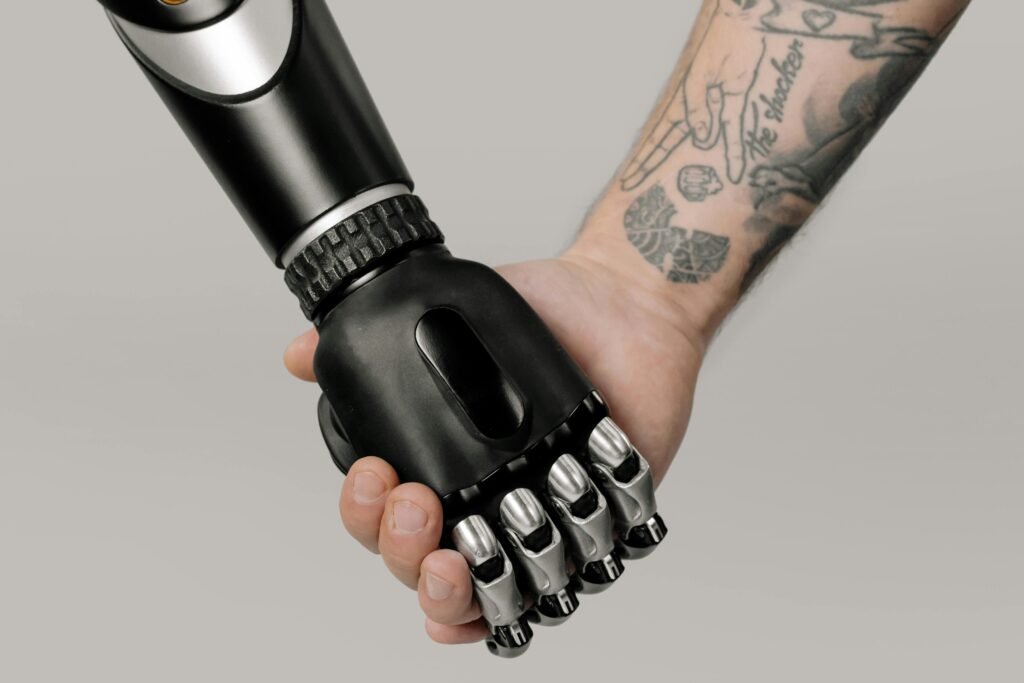
The most successful workplaces will focus on human and AI collaboration, not competition.
AI works best when paired with human strengths:
- AI processes large amounts of data quickly
- Humans interpret results and make final decisions
- AI suggests options
- Humans consider context, values, and consequences
This collaboration leads to better outcomes than either could achieve alone.
AI and Workplace Productivity
One of the biggest benefits of AI in the workplace is improved productivity.
AI workplace trends show that:
- Tasks are completed faster
- Errors are reduced
- Workflows become smoother
- Decision-making improves
When productivity increases without increasing workload, job satisfaction can also improve.
How Artificial Intelligence Will Change Workplace Roles
Job titles and responsibilities will continue to evolve as AI becomes more common.
Future roles may involve:
- Managing AI systems
- Interpreting AI-generated insights
- Ensuring ethical AI usage
- Training systems through feedback
The future of artificial intelligence in the workplace will create roles that do not exist today.
Ethical Challenges of AI in the Workplace
With powerful technology comes responsibility. Artificial intelligence in the workplace raises ethical concerns that must be addressed.
Key challenges include:
- Data privacy and employee monitoring
- Bias in AI decision-making
- Transparency in automated processes
- Accountability for AI-driven outcomes
Organizations must ensure that AI is used fairly, responsibly, and transparently.
The Impact of AI on Workplace Culture
Workplace culture will also change as AI becomes more integrated.
Possible cultural shifts include:
- Increased focus on continuous learning
- More flexible work structures
- Data-driven performance evaluation
- Greater emphasis on adaptability
The future of work and artificial intelligence will reward organizations that support learning and openness.
AI and Remote or Hybrid Work Environments
Artificial intelligence in the workplace plays a major role in remote and hybrid work models.
AI helps by:
- Optimizing task distribution
- Improving communication efficiency
- Tracking progress without micromanagement
- Supporting virtual collaboration
These capabilities make distributed teams more effective and connected.
Reskilling and Upskilling in the AI Era
As AI changes work, continuous learning becomes essential.
Organizations will need to:
- Invest in employee training
- Encourage adaptability
- Support skill development programs
Workers who embrace learning will thrive in the future of artificial intelligence in the workplace.
Industries Most Affected by AI in the Workplace
AI impacts every industry, but some will experience faster change.
Highly affected areas include:
- Finance and analytics
- Healthcare administration
- Manufacturing and logistics
- Marketing and communication
- Customer service operations
However, even creative and people-focused fields will feel the influence of AI.
AI as a Decision-Support Tool, Not a Decision-Maker
Despite its capabilities, AI should support—not replace—human decision-making.
Best practices include:
- Using AI for insights, not final judgments
- Reviewing AI recommendations critically
- Maintaining human oversight
This balance ensures responsible and effective use of artificial intelligence in the workplace.
Preparing for the Future of Artificial Intelligence in the Workplace
Preparation is the key to success in an AI-driven future.
Individuals should focus on:
- Learning how AI tools influence work
- Building adaptable skill sets
- Staying informed about workplace trends
Organizations should focus on:
- Ethical AI implementation
- Transparent communication
- Employee empowerment
Long-Term Outlook for AI in the Workplace
The future of artificial intelligence in the workplace will not be defined by machines replacing people, but by people learning how to work smarter with machines.
Long-term expectations include:
- Smarter workflows
- More meaningful human roles
- Increased innovation
- Better work-life balance
When used responsibly, AI can improve both productivity and job satisfaction.
How Artificial Intelligence Will Redefine Leadership in the Workplace
As artificial intelligence in the workplace becomes more advanced, leadership styles will also evolve. Traditional leadership focused on supervision and control will gradually shift toward guidance, strategy, and vision.
In the future of artificial intelligence in the workplace, leaders will rely on AI-driven insights to support decisions, but leadership itself will remain deeply human. Empathy, trust, and ethical judgment cannot be automated.
Key leadership changes include:
- Leaders using AI insights to understand team performance
- Greater focus on coaching rather than micromanaging
- Faster and more informed strategic decisions
- Increased responsibility for ethical AI use
This shift will redefine what effective leadership looks like in modern organizations.
The Role of Artificial Intelligence in Employee Well-Being
Artificial intelligence in the workplace will also influence employee well-being and work-life balance. When implemented responsibly, AI can reduce stress rather than increase it.
Positive impacts may include:
- Smarter workload distribution
- Reduced burnout from repetitive tasks
- Better scheduling and time management
- Early identification of workflow bottlenecks
The future of work and artificial intelligence has the potential to create healthier, more sustainable work environments.
AI and Fairness in Workplace Decision-Making
One important discussion around the future of artificial intelligence in the workplace is fairness. AI systems rely on data, and data quality directly affects outcomes.
To ensure fairness:
- Data used for AI systems must be diverse and unbiased
- Human oversight must remain part of decision-making
- AI outcomes should be reviewed regularly
- Transparency should be maintained in AI-assisted processes
When managed carefully, artificial intelligence in the workplace can support fairer and more consistent decisions.
How AI Will Change Performance Evaluation
Traditional performance reviews often rely on limited observation and subjective judgment. AI in the workplace introduces a more data-informed approach.
Potential changes include:
- Continuous performance insights instead of annual reviews
- Objective measurement of productivity trends
- Identification of skill gaps for development
- Support for personalized growth plans
Despite these changes, human judgment will remain essential to interpret results fairly and contextually.
Artificial Intelligence and Workplace Creativity
A common myth is that AI reduces creativity. In reality, artificial intelligence in the workplace can enhance creative processes by removing routine obstacles.
AI supports creativity by:
- Handling repetitive preparation tasks
- Providing data-backed inspiration
- Allowing employees more time for ideation
- Supporting experimentation and innovation
The future of artificial intelligence in the workplace will allow humans to focus more on imagination and originality.
Adapting Organizational Structures for an AI-Driven Future
Organizational structures will adapt as AI becomes more integrated into daily work.
Expected changes include:
- Flatter organizational hierarchies
- Faster decision-making cycles
- Cross-functional collaboration
- More agile teams
The future of work and artificial intelligence favors flexibility over rigid structures.
AI Literacy as a Core Workplace Skill
AI literacy will become as important as basic digital literacy. Employees will not need to build AI systems, but they will need to understand how AI affects their work.
Core AI literacy includes:
- Understanding what AI can and cannot do
- Knowing how AI influences decisions
- Recognizing ethical implications
- Using AI responsibly and effectively
Organizations that promote AI literacy will adapt more smoothly to change.
The Long-Term Relationship Between Humans and AI at Work
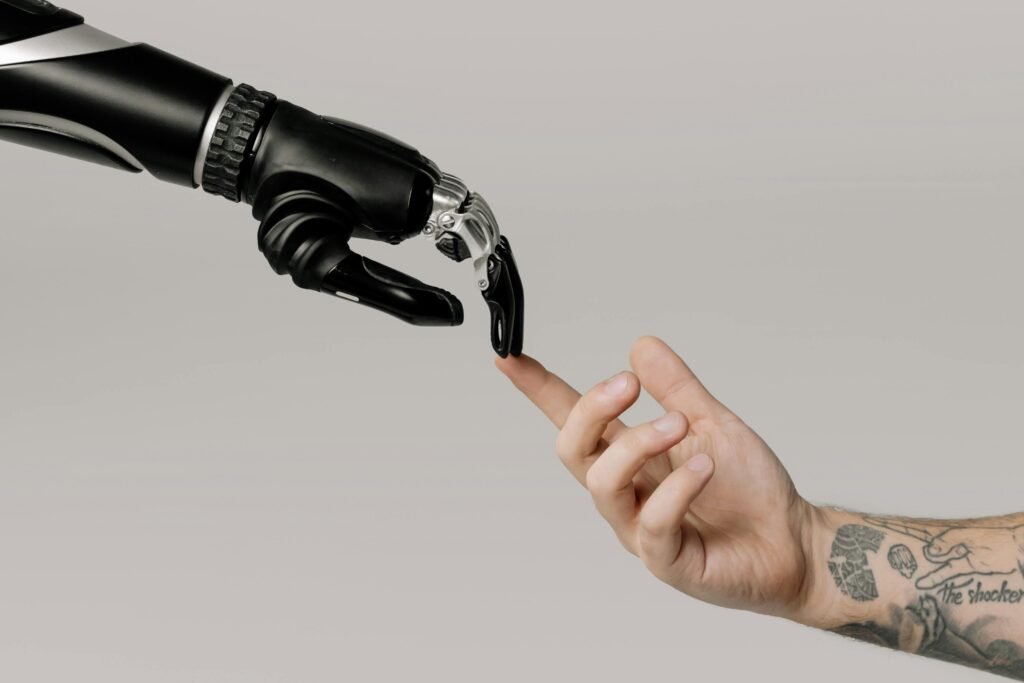
The long-term future of artificial intelligence in the workplace is not about replacement but partnership. Humans and AI will evolve together, each complementing the other’s strengths.
AI excels at:
- Speed
- Pattern recognition
- Data processing
Humans excel at:
- Creativity
- Emotional intelligence
- Ethical reasoning
- Complex judgment
This partnership will define the next generation of work.
Preparing the Next Generation for an AI Workplace
Education and training systems will also adapt to prepare future workers for AI-driven environments.
Key preparation areas include:
- Problem-solving skills
- Adaptability and learning mindset
- Collaboration and communication
- Ethical awareness
The future of work and artificial intelligence depends on preparing people, not just technology.
Final Extended Conclusion
The future of artificial intelligence in the workplace represents a fundamental transformation in how work is structured, managed, and experienced. Artificial intelligence in the workplace will continue to reshape jobs, redefine skills, and influence workplace culture across industries.
Rather than replacing human workers, AI will amplify human capabilities when used responsibly. Organizations that focus on ethical implementation, continuous learning, and human-AI collaboration will thrive in the future of work and artificial intelligence.
This future is not about machines taking control—it is about humans using powerful tools to create smarter, more meaningful, and more productive workplaces.